

Solar Flare Coloring Page
Coloring page with information about solar flares
Solar Flare Coloring Page Read More »
Coloring page with information about solar flares
Solar Flare Coloring Page Read More »

Just like we have weather on Earth, there’s weather in space. The bright lights that seem like they’re dancing in the night sky are a type of space weather we call the aurora.
Aurora Coloring Sheet Read More »
This fast draw video from NOAA explains how to prepare for and respond to a tsunami. If you live, work, or play on the coast, be prepared and stay safe! Learn more about tsunamis and tsunami safety: http://www.weather.gov/tsunamisafety
Tsunamis: Be Prepared and Stay Safe! Read More »

The National Hurricane Center (NHC) is one of nine national centers within the National Weather Service’s National Centers for Environmental Prediction (NCEP), located on the campus of Florida International University in Miami, Florida.
Overview of the National Hurricane Center Read More »

Water is everywhere. Sometimes there’s too much. Sometimes there’s too little. Either extreme, people are affected in big ways. Learn about water extremes in this Story Map.
Adjusting to Climate Extremes Story Map Read More »
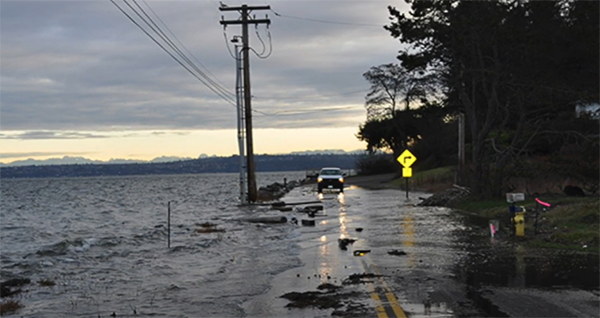
NOAA’s Physical Sciences Laboratory (PSL) Scientist Kelly Mahoney explains why floods happen and the different types of floods.
Ask a Scientist: What Causes Floods? Read More »

National Weather Service (NWS) Science Operations Officer Paul Schlatter explains why tornados form.
Ask a Scientist: Why Do Tornadoes Form? Read More »

NOAA’s Physical Sciences Laboratory (PSL) Scientist George Kiladis explains what atmospheric rivers are – where they can be found and where they go.
Ask a Scientist: What are Atmospheric Rivers? Read More »
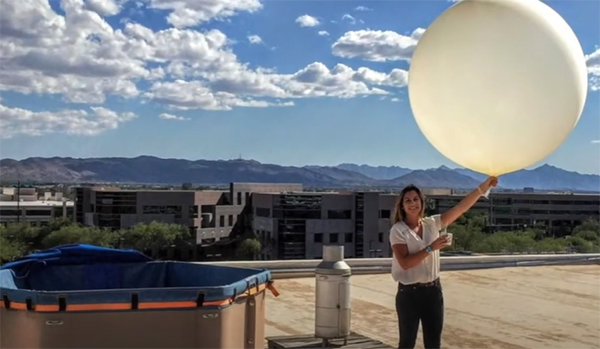
NOAA’s Global Systems Laboratory (GSL) Scientist Terra Ladwig explains how weather models are created and how they are used.
Ask a Scientist: What are Weather Models? Read More »
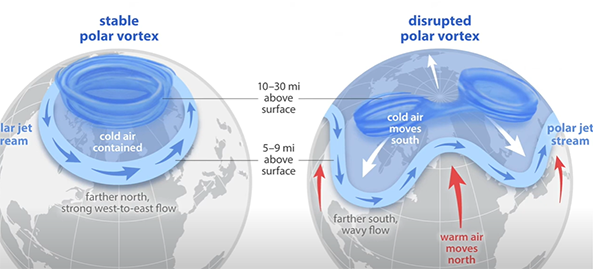
NOAA’s Chemical Sciences Laboratory (CSL) Scientist Amy Butler explains why it can get so cold in the winter. You’ll learn about the jet stream and the polar vortex.
Ask a Scientist: Why is it so Cold in Winter? Read More »